
Author: Isabelle Coulibaly

  • Two Key Strategies for Defying Odds and Become Wealthy

    Two Key Strategies for Defying Odds and Become Wealthy

    Wealth building is deeply personal. Whether you’re an individual earning a steady income, a business owner generating your own revenue, or an enterprise leader dictating the type of income you desire, these paths represent the main avenues through which people can generate wealth. However, wealth generation is not merely about accumulating substantial amounts of money—it’s about how effectively you manage and utilize the income you bring in, whether through employment, self-employment, or running an enterprise.

    Today, let’s focus on the critical aspect of managing any assets you acquire. This question is pertinent to everyone because we all aspire to have enough resources not just to get by, but to create a financial safety net for the future. Financial security isn’t just about meeting immediate needs; it’s about preparing for potential hardships and unexpected events that might render us unable to earn as much as we hope at certain times in our lives.

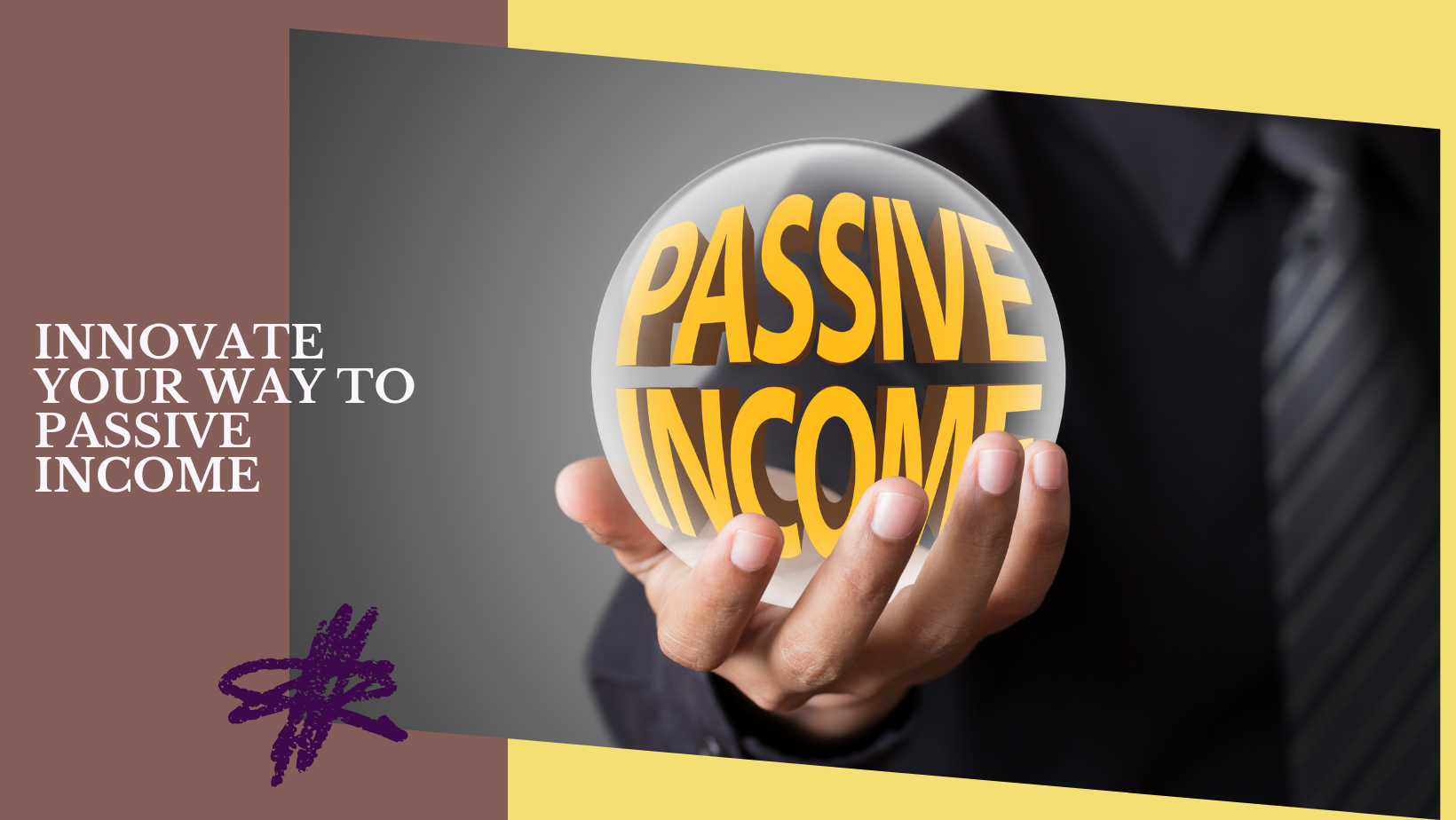
    Building a Passive Income System

    There are two major strategies to consider when aiming to build a sustainable wealth foundation:

    1. Diversification

    One of the keys to successful wealth building is creating a system that generates passive income—income that continues to flow with minimal ongoing effort. This could be achieved through real estate investments, stock market participation, purchasing investment properties, investing in mutual funds, and more. However, relying solely on one type of asset can be risky. All these assets could potentially be wiped out in the blink of an eye due to unforeseen circumstances. So, what do you do then?

    The answer lies in diversification. To diversify effectively, you must remain open-minded and willing to explore various financial opportunities beyond your comfort zone. Sticking to what you’ve always known may feel safe, but stepping outside your comfort zone can reveal new, substantial opportunities that you otherwise might overlook.

    2. Innovation and the Art of Pivoting

    Building wealth also requires innovation and the ability to pivot. Many people fail to understand the concept of pivoting in business, yet it is crucial for long-term success. Knowing when to change direction and why it’s necessary can make a significant difference. For instance, you might find that a particular investment isn’t yielding the results you expected. Being able to pivot—perhaps by reallocating resources to more promising ventures—can help you stay on the path to financial success.

    Avoid Overextending Yourself

    Another important consideration is avoiding the temptation to take on too many projects at once. Juggling multiple businesses or investments may seem like a way to maximize income, but it often increases fixed costs and complexity, leading to potential downfall instead of growth. Fixed costs, or essential expenses that must be covered regardless of your financial situation, can become burdensome. In contrast, variable costs, which can be adjusted based on your financial state, offer more flexibility.

    Evaluating Your Current Strategy

    So, what should you do next? The next step is to evaluate your current financial strategy. Assess whether the passive income system you’ve built is diversified, innovative, and focused on projects that support continuous success without risking your future capabilities.

    If your current strategy isn’t meeting these criteria, it’s time to reassess. Take a pause and make a list of everything you currently have, what you want to have, and what you should have. Compare these lists to gain a clear understanding of your actual needs versus your desires. Focus on fulfilling your needs first and then plan for your wants. This approach helps you avoid costly mistakes that can hinder your progress and enables you to propel yourself to a higher level of financial success, aligned with your vision of wealth.

    In conclusion, building wealth is a personal journey that requires careful management of assets, diversification, innovation, and strategic planning. By following these principles, you can create a robust financial foundation that not only secures your present but also safeguards your future. Take the time to evaluate and refine your strategy, and you’ll be well on your way to achieving the financial prosperity you envision.
  • Understanding the Bottom Line: A Path to Ethical Wealth Building

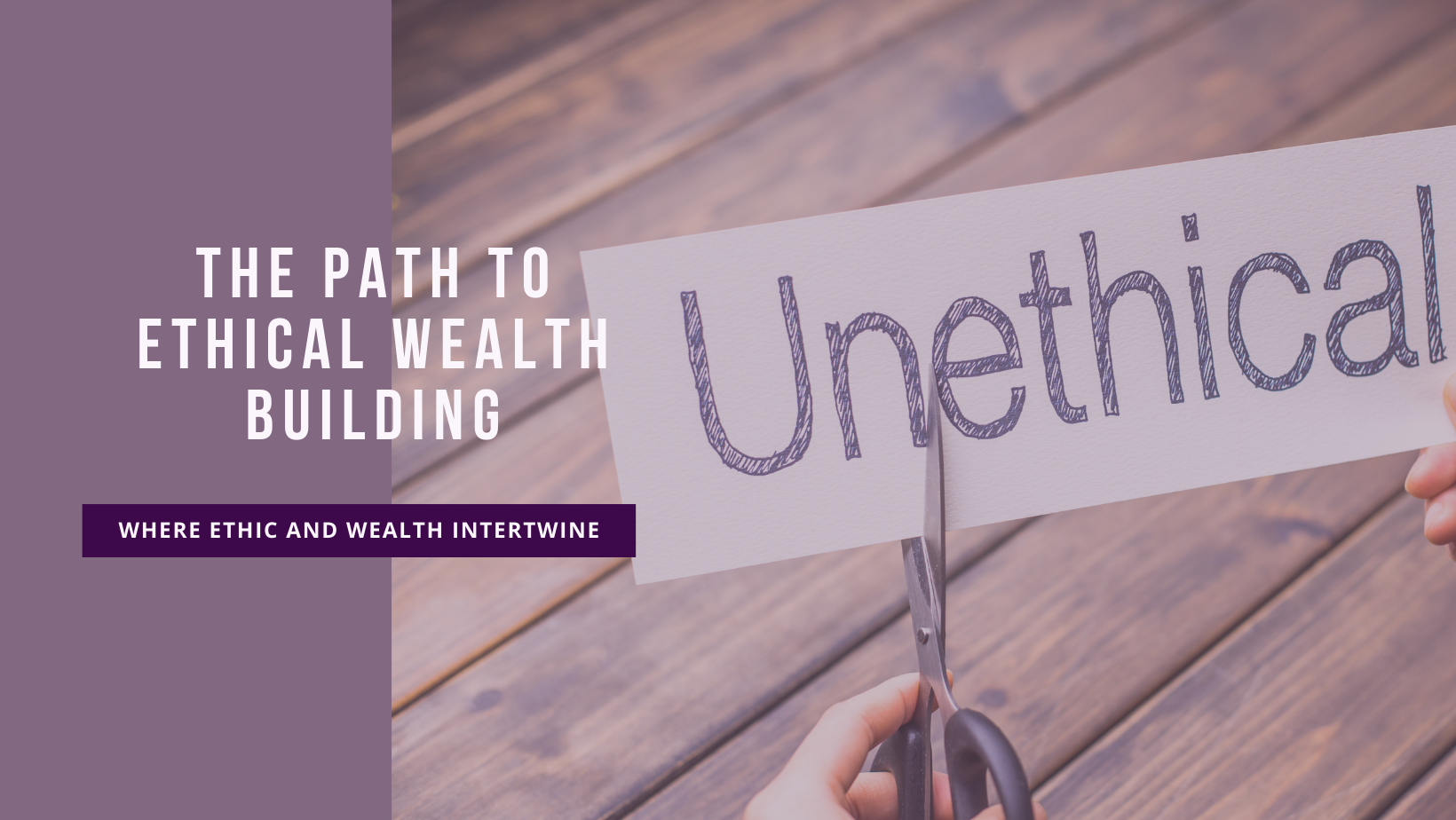
    Understanding the Bottom Line: A Path to Ethical Wealth Building

    Have you ever thought about the “bottom line” whenever you consider ways to multiply your streams of income? Before we delve deeper, let’s clarify what the bottom line really means.

    In a recent conversation with an acquaintance, we discussed how the focus on the bottom line in work culture can lead to unethical behavior. This emphasis on simply “getting the job done” often overshadows the importance of doing things the right way.

    When striving for growth—whether through personal development or finding channels to increase our income—we often wrestle with the desire for quick successes. This internal debate can lead us to question whether we’re truly doing things the right way or rushing through processes too quickly. I recall another conversation where someone expressed their intent to generate profit without considering all aspects of a business. They were solely focused on their potential earnings from a transaction, which made me reflect on the lengths people are willing to go to avoid being at the bottom financially.

    So, what does the bottom line mean to you? Have you considered its implications on your path to wealth? If you’re attracted to the idea of becoming wealthy and successful, remember this: values and integrity have no price.

    The Dangerous Allure of the Bottom Line

    Focusing solely on the bottom line can lead to various pitfalls:

    • Unethical Behavior: When profit becomes the only goal, ethical considerations often get sidelined.
    • Short-term Gains, Long-term Consequences: Quick gains might lead to quick falls. Unsustainable practices can jeopardize long-term success.
    • Loss of Reputation: Compromising on ethics for the bottom line can damage your reputation and relationships in the long run.

    Safer Alternatives for Wealth Building

    Building wealth doesn’t have to mean compromising your values. Here are safer, more sustainable alternatives:

    • Strategic Planning: Take the time to craft a well-thought-out plan. Ensure your pathways are secure and sound.
    • Focus on Value Creation: Prioritize creating real value for your customers or clients. This builds trust and long-term loyalty.
    • Ethical Practices: Always conduct business with integrity. Ethical practices attract like-minded partners and clients.
    • Continuous Learning: Invest in personal and professional development. Knowledge and skills are invaluable assets in wealth building.

    Your Next Steps

    Whenever you face doubts about which route to take, imagine yourself in the shoes of the party receiving the service. Ask yourself:

    • Would you be okay with everything if you were the customer?
    • Would you make that decision for yourself?
    • Would you be willing to take such a risk if it was your money on the line?

    If the answer is “no” to any of these questions, it’s a clear sign that you need to find a better, more ethical approach to building sustainable wealth.

    Taking Action

    If you’re serious about mastering your own wealth journey, we’re here to help. Get in touch with us or take a quick 3-minute questionnaire—whether it’s about your personal or business finances. Let us know how we can assist you in achieving your goals.

    Values and integrity are the foundations of true wealth. Let’s build a prosperous future together, grounded in ethics and sustainability.

  • To Reach Success: You Must Trust the Process and Stay Determined

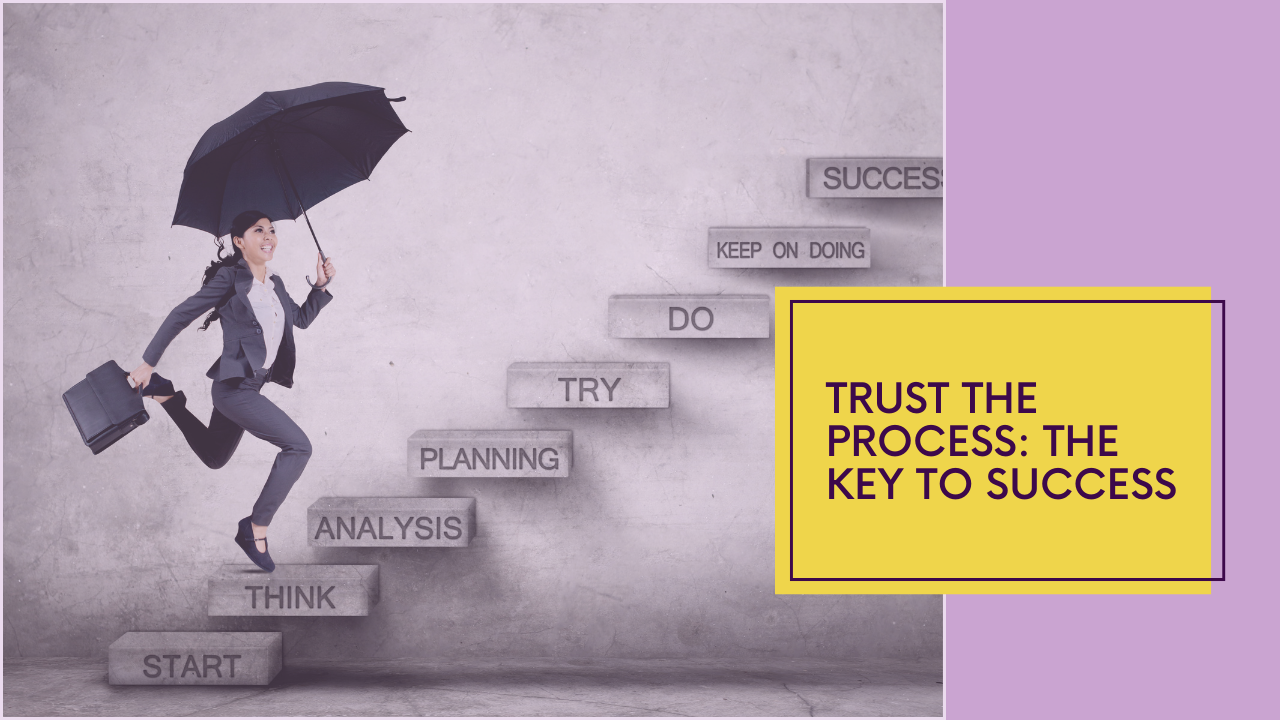
    To Reach Success: You Must Trust the Process and Stay Determined

    No one ever said it would be easy, but it is undoubtedly worth it. Our lives are shaped by the decisions and choices we make daily. One crucial lesson I’ve learned is that while it’s easy to get distracted by small missed opportunities or what’s happening around me, staying focused on my purpose has been life-transforming.

    A Lesson We Can All Relate To

    My daughter was invited to participate in a beautiful dance performance. She was incredibly excited about the opportunity. I told her she needed to complete certain tasks at home before she could be part of the event, and we made an agreement. However, she initially did not follow through with her commitments, so I decided she wouldn’t participate.

    However, faced with the repercussions of her inaction, she became determined to fulfill every single requirement before the performance day. Sure enough, she completed all her tasks and was able to join the performance.

    The Trap of Complacency

    Often in our lives, we find ourselves trapped in what we perceive as good; we know we should do certain things, but we become complacent. We don’t fully trust the process or consider the repercussions of our inaction. It’s only when we face the consequences that we realize the importance of taking action. I’ve made a point to myself that failure to reach my goals should never be something I should bargain with.

    Passion and Discipline

    This experience with my daughter reminded me that passion and talent alone are not enough. They must be grounded in discipline and commitment. To truly nurture our passions and turn them into something valuable, we need to take consistent, determined actions.

    We often know the steps we need to take to achieve our goals. We understand that these actions will lead us to the rewards we seek, yet we hesitate or delay. However, when we shift our mindset and commit to the necessary actions, understanding that achieving our goals matters deeply to us, we set ourselves on a path to success.

    Embracing Setbacks

    There will undoubtedly be setbacks and moments when you feel like giving up. Challenges are a part of any worthwhile journey. These obstacles are opportunities to learn, gain more knowledge, and acquire experience. When you’re grounded in the foundational idea that accomplishing your goals is the only way to achieve your dreams, nothing can stop you.

    Your Next Step

    If you find yourself wavering or becoming complacent, remember why you started. Reconnect with the reason behind your goals and let that drive you forward. Stay disciplined, committed, and trust the process. Embrace the challenges and use them as stepping stones towards your success.

    Take a moment today to reflect on your goals and the steps you need to take. Write them down, make a plan, and start taking action. Your journey to success begins with a single step, and the determination to keep moving forward, no matter what.

    Let this be your reminder: Stay focused, stay determined, and trust the process. Your success story is waiting to be written. By embracing these principles, you’ll find that the journey, with all its ups and downs, is worth every effort. Now, go out there and make your dreams a reality!

  • Harnessing Talent for Productive Excellence: The Pathway to Wealth

    Harnessing Talent for Productive Excellence: The Pathway to Wealth

    Within each of us lies a reservoir of untapped potential, a collection of talents waiting to be discovered and nurtured. Whether it’s the innate ability to create, an adeptness at delegating tasks, or an unwavering dedication to achieving goals, these talents are the raw materials from which we can forge our path to success. However, recognizing our talents is just the beginning. The key to truly unlocking their power lies in our ability to manage and direct them towards productive ends, not only benefiting ourselves but also enriching the lives of those around us.

    My experiences in the banking sector provided me with invaluable insights into the nature of talent and its application. I fondly remember being the person colleagues would turn to when faced with challenging clients. One incident, in particular, stands out as a defining moment in my understanding of how to leverage talent effectively. A client, frustrated and confused by his financial situation, questioned the source of my calm demeanor in the face of his distress. My response was simple yet profound—I understood. This understanding wasn’t merely empathetic; it was rooted in a deep-seated desire to serve and exceed expectations, to act not just as a banker but as a trusted advisor and ally.

    This interaction led me to a powerful realization that transcends industries and roles: true success is not merely a function of our knowledge and expertise. Rather, it is our ability to simplify complex processes for those who depend on us that marks our greatest achievements. For entrepreneurs, employees, and those who straddle both worlds, this principle is paramount.

    At Djigui, we are committed to uncovering the most effective strategies for wealth creation. For business owners and individuals alike, mastering productivity and excellence is critical. But how do we transform our inherent talents into engines of progress and prosperity?

    Recognizing and Cultivating Your Talents

    The first step is introspection. Acknowledge the unique abilities you bring to the table. Are you a visionary creator, a strategic thinker, or perhaps a steadfast achiever? Identifying your core strengths is the foundation upon which you can build.

    Applying Your Talents Purposefully

    Once you’ve pinpointed your talents, focus on refining them. Seek opportunities for growth, whether through formal education, mentorship, or practical experience. The goal is to sharpen your skills until they become powerful tools in your arsenal.

    Serving Others Through Your Talents

    True fulfillment comes from using your talents to make a positive impact on the lives of others. Consider how your skills can address needs, solve problems, or enhance well-being. By doing so, you not only amplify your own success but also contribute to the success of those around you.

    Seeking Feedback and Staying Adaptable

    Growth is an ongoing process. Regular feedback from those you serve can provide valuable insights into how you can improve and adapt your approach. Stay open to constructive criticism and be willing to evolve your strategies in response to new challenges and opportunities.

    Conclusion

    The insights gained from my banking career have reinforced the belief that our success lies not just in what we know, but in how we apply our knowledge and talents to serve others. Whether you’re navigating the complexities of entrepreneurship or striving for excellence within an organization, remember that your greatest impact comes from making the process seamless and empowering for those who rely on your expertise.

    At Djigui, we see the mastery of productivity and excellence not just as a strategy for individual achievement, but as a means to uplift communities and create lasting legacies of growth and prosperity. By harnessing our talents and directing them towards meaningful, productive ends, we can all play a part in building a wealthier, more empowered future.

  • How to Overcome the Influence of Living in the Moment

    How to Overcome the Influence of Living in the Moment

    In an era where the mantra “live in the moment” is more popular than ever, it’s easy to get caught up in the spontaneous joys of day-to-day life. This philosophy, rooted deeply in our cultural zeitgeist, encourages us to seize the day, often without considering the ramifications of tomorrow. While living in the moment can lead to rich, vibrant experiences, it also poses a significant threat to our financial well-being, especially when it becomes a justification for unchecked spending, budget increases, or neglected planning.

    The Allure of Instant Gratification

    The temptation to live for today is understandable. We’re constantly bombarded with societal messages that champion immediate gratification over long-term reward. Social media, with its endless stream of enviable moments, fuels this fire, making it all too easy to fall into the trap of spending to keep up, rather than investing in our futures.

    However, this approach to life and finances is fraught with peril. Even those blessed with considerable wealth are not immune to the dangers of poor money management. History is littered with cautionary tales of fortunes lost overnight due to reckless financial decisions—proof that no level of wealth is bulletproof against the consequences of living solely for the moment.

    The Path to Financial Stability

    The good news is that with awareness, discipline, and strategic planning, it’s possible to enjoy the present while securing your financial future. Here’s how:

    1. Understand Your Financial Picture

    Start by taking a comprehensive look at your finances. Understanding where you stand financially is crucial. Track your income, expenses, debts, and savings. This clarity is the first step towards making informed decisions that align with both your short-term desires and long-term financial goals.

    2. Set Clear Financial Goals

    Establish clear, attainable financial goals. Whether it’s saving for retirement, buying a home, or building an emergency fund, having specific targets to aim for can help you stay focused and resist the urge to spend impulsively.

    3. Create a Budget That Balances Present and Future Needs

    Design a budget that allows for enjoyment now while ensuring you’re saving for the future. Allocate funds for “living in the moment” experiences, but ensure these don’t detract from your ability to meet your financial goals. Remember, a sustainable budget isn’t about deprivation; it’s about balance.

    4. Invest in Your Future

    Explore investment opportunities as a way to grow your wealth over time. Consider talking to a financial advisor to find investment strategies that work best for your risk tolerance and financial situation. Investments can serve as a bridge between your current financial behavior and your future financial freedom.

    5. Resist Social Pressure

    Social media and peer pressure can lead to unnecessary spending. Remind yourself that the highlight reels you see online often don’t represent reality. Focus on your personal financial goals rather than comparing yourself to others.

    6. Cultivate Financial Literacy

    Educate yourself on beyond the basics of personal. The true value of a deep Knowledge of financial literacy rely in its power of understanding concepts like compound interest, debt management, and investment principles can empower you to make smarter financial decisions.

    7. Plan for Pleasure Responsibly

    Living in the moment doesn’t have to be at odds with financial prudence. Plan for experiences and purchases that bring you joy in a way that doesn’t jeopardize your financial health. This might mean saving up for a trip instead of putting it on credit, or choosing experiences that are meaningful but not necessarily expensive.

    Conclusion

    Striking a balance between living in the moment and securing your financial future is both an art and a science. It requires conscious effort, self-discipline, and a shift in mindset. By implementing these strategies, you can enjoy the richness of life today while building a foundation for a prosperous tomorrow. Remember, the ultimate goal is not to forsake joy and spontaneity but to ensure that these are not at the expense of your financial stability and future dreams.

  • Crafting a Passive Income Stream Through Innovation

    Crafting a Passive Income Stream Through Innovation

    In the quest for financial autonomy and the ability to pursue a lifestyle of one’s choosing, the concept of generating a lasting passive income stream has perennially occupied the minds of many. Just about a decade ago, in places where every penny counted, it was not uncommon to juggle multiple jobs. This strategy was not just about meeting basic needs but about securing that extra bit of income to afford a dream lifestyle—all the while, unknowingly skating on thin ice regarding job security and personal well-being.

    Fast forward to today, and we find ourselves in an era brimming with innovation. The digital revolution and entrepreneurial spirit have combined to offer unprecedented opportunities for creating additional income streams. These range from leveraging one’s unique talents and engaging in the creative arts online, to making savvy investments in real estate, and even starting one’s own business or consultancy using practically innovative options. The rise of the gig economy, too, has opened up new avenues, with many turning to ride-sharing services like Uber and Lyft as lucrative side hustles.

    Yet, amidst these exciting opportunities, a pressing question remains—what happens if unforeseen circumstances disrupt your ability to sustain these ventures? The true challenge lies in transitioning from merely generating passive income to establishing a foundation that ensures lasting financial growth, regardless of life’s unpredictable turns.

    Here are my top three strategies for building a robust passive income:

    1. Leverage Digital Platforms to Showcase Your Talent: In today’s digitally-driven world, showcasing your talent online can unlock doors to numerous opportunities. Many possess exceptional skills but find themselves overwhelmed by life’s vicissitudes, leaving little room to fully realize their potential. Take time to strategize; begin with identifying the unique problems you can solve and the audience you wish to serve. Focusing on a specific niche will allow you to hone your skills, learn, grow, and gradually build a reliable income stream.
    2. Venture into Vehicle Rental Entrepreneurship: For solopreneurs, consider establishing a vehicle rental service. This business model not only generates an additional income stream but also promises longevity. By maintaining a fleet of vehicles for rent and strategically selling them to invest in newer models, you can continually enhance your profitability. This venture thrives independently, offering a sustainable source of income with minimal oversight.
    3. Invest in Real Estate: Real estate investment stands as a testament to the American dream, although reconsidered by many due to rising maintenance costs. Yet, it remains a powerful tool for passive income. Consider purchasing commercial land in up-and-coming areas, investing in Real Estate Investment Trusts (REITs) for hassle-free cash flow, or converting part of your home into a rentable space, such as an Airbnb. These options provide returns with minimal effort and are accessible to many.

    In Conclusion

    Building a lasting passive income stream is a marathon, not a sprint. It requires patience, strategic planning, and a willingness to adapt. Start by leveraging your unique talents in the digital sphere, explore entrepreneurship in resilient sectors like vehicle rental, or make savvy real estate investments. Remember, the key to financial freedom and a lasting passive income lies in diversification and the readiness to evolve with the changing economic landscape.

    Actionable Steps to Take:

    1. Reflect on Your Skills and Interests: Identify what you’re good at and passionate about. Consider how these can be translated into a digital platform or business opportunity.
    2. Research and Plan: Conduct thorough research on your chosen passive income strategy. Understand the market, your competition, and your target audience. Create a detailed plan outlining your approach.
    3. Start Small and Scale Up: Begin with manageable goals and scale your efforts as you learn and grow. This reduces risk and allows for more significant learning opportunities.
    4. Monitor and Adapt: Keep a close eye on your passive income ventures. Be prepared to adapt your strategies based on performance and changing market conditions.

    Remember, the path to creating a lasting passive income stream is ongoing. With dedication and strategic action, achieving financial freedom is within your reach.

  • Wealth-Building Opportunity: Your American Dream Awaits

    Wealth-Building Opportunity: Your American Dream Awaits

    Moving to a new country presents a plethora of challenges, from acclimating to different cultures and languages to adapting to new sets of rules, values, and social norms. For immigrants and foreigners, one of the most daunting tasks can be mastering the art of wealth building in an environment that’s vastly different from what they’re accustomed to. How does one find the right balance between preserving their identity and integrating into a new society, especially when it comes to financial prosperity?

    The Immigrant Experience and Wealth Building

    The experience of settling in a foreign land is often a 360-degree shift in terms of culture, language, ideals, and values. This transition poses a significant question: Should you completely reinvent yourself or seek a harmonious blend of your origins and the new culture? More importantly, how can you not just survive, but thrive financially in this new setting?

    Having navigated these waters personally, and aided over 700 individuals, families, and businesses through similar journeys, I’ve witnessed firsthand the complexities immigrants face when it comes to wealth building. The challenge often lies not in the lack of ambition or drive but in the accessibility and understanding of what’s truly available to them in their new homeland.

    Financial Literacy: A Stepping Stone to Empowerment

    Achieving financial literacy is pivotal. It involves understanding basic financial concepts such as opening and managing checking and savings accounts, investing through vehicles like 401(k)s or Roth IRAs, and ensuring you’re covered with health and disability insurance. However, the real challenge emerges when unforeseen circumstances test the solidity of this knowledge.

    In my experience, understanding financial principles was just the beginning. The reality hit when life threw curveballs, and I realized that financial literacy is more complex than mere knowledge; it demands application in day-to-day life.

    Crafting a Personal Roadmap to Wealth Building

    To genuinely thrive, it’s crucial to:

    1. Define Personal Aspirations: Know where you stand and where you wish to be. Set realistic goals and timelines to track your progress.
    2. Eliminate Distractions: Focus on productive spending and cut out unnecessary expenses that don’t contribute to your goals.
    3. Invest in Self-Development: Staying competitive in today’s world means valuing self-growth. Engage in learning opportunities, whether through books or conversations with those more knowledgeable.
    4. Balance Your Accounts Wisely: Maintain three types of accounts – checking (for daily expenses), savings (for emergencies), and investment (for generating passive income). This strategy ensures readiness for unforeseen events and a steady path toward financial independence.

    Conclusion

    For immigrants, the path to wealth building is intertwined with the challenge of integrating into a new culture without losing one’s identity. By focusing on financial literacy, personal growth, and strategic planning, it’s possible to overcome these challenges. Remember, the goal isn’t just to survive in a new country, but to thrive and establish a prosperous future for oneself and one’s family.

  • Navigating Life’s Financial Pathways: A Personal Reflection

    Navigating Life’s Financial Pathways: A Personal Reflection

    In the dual role of a financial adviser and coach, my path has been one of continuous learning, adapting, and growing. It’s a path marked not by perfection but by perseverance, resilience, and the relentless pursuit of personal and professional growth. This journey, replete with its share of mistakes and setbacks, has taught me invaluable lessons about the essence of progress and the beauty of becoming.

    The Myth of Overnight Success

    Contrary to popular belief, there’s no shortcut to excellence. My years of experience have not rendered me an infallible expert; rather, they’ve underscored the reality that every day is ripe with new opportunities and innovations. In this fast-paced world, staying agile, open-minded, and ready to adapt is key.

    An insightful piece from Investors.com tells the story of Frank O’Connell, who emphasizes the importance of working through setbacks and learning from mistakes. This resonates deeply with my own experiences, underscoring that the road to success is paved with the lessons learned from each fall and the courage to rise again.

    Juggling Roles with Grace

    Wearing the hats of a mother, CEO, and leader has certainly had its challenges. The daily grind—filled with routines, demands, and expectations—can easily become overwhelming. Yet, I’ve learned the power of carving my own path, leveling up, and stepping out of my comfort zone. Trying new things, even those that initially scare me, and taking bold actions have become my modus operandi.

    This mindset aligns with insights shared in an article on Inman, which suggests adopting a growth mindset and viewing setbacks as stepping stones toward progress. It’s about cultivating resilience and the willingness to face adversity head-on.

    A Fresh Start Every Day

    The beauty of life lies in its ability to offer us fresh starts—be it the dawn of a new year, the beginning of a month, or the start of a week. Each day holds the promise of a new beginning, a chance to reset and refocus. Recapping past events and choices sets the right tone for these new chapters, encouraging us to move forward with clarity and purpose.

    Three Pillars of Achievement

    Throughout my journey, three actions have been instrumental in achieving my desired results:

    1. Defining My Identity: Understanding who I am and what I aspire to achieve has helped me set myself apart. It’s about recognizing your uniqueness and leveraging it to forge your path.
    2. Mindful Decision-Making: Not every goal fits every circumstance. Being mindful of my choices means focusing on what truly matters and what aligns with my unique situation.
    3. Eliminating Distractions: Distractions can veer us off our intended path. By eliminating them, I make room for endeavors that bring me closer to my goals.

    These pillars not only guide my professional endeavours but also shape my personal growth. They remind me to focus on what works for me, celebrate my uniqueness, and remain steadfast in my quest for excellence.

    Looking Forward

    The path I walk is one of constant evolution, marked by both triumphs and trials. It’s a reminder that past failures do not define us; rather, it’s our response to these challenges and our capacity for growth that shapes our future. Each day brings a new opportunity to advance, improve, and redefine our destinies.

    In sharing this reflection, my hope is to inspire others to embrace their journeys, learn from each setback, and continue striving toward their dreams with resilience and determination.

  • Master Your Mindset for A Financial Triumph

    Master Your Mindset for A Financial Triumph

    In the journey of life, we often find ourselves at crossroads, facing financial challenges that seem insurmountable. The path to financial stability and success, however, is less about the external hurdles and more about the internal battles. At the heart of this journey is the power of mindset and personal development.

    The Foundation: Developing a Growth Mindset and Resilience

    A growth mindset, as coined by psychologist Carol Dweck, is the belief that our abilities and intelligence can be developed through dedication and hard work. This perspective encourages resilience, a quality that enables us to bounce back from setbacks and view failures not as evidence of unintelligence but as springboards for growth.

    In the context of financial challenges, a growth mindset empowers individuals to approach obstacles with a positive outlook, seeing them as opportunities for learning and improvement rather than insurmountable barriers. This mindset shift is crucial for navigating the unpredictable waves of the economic landscape.

    Continuous Learning and Self-Improvement

    The world is constantly changing, with technological advancements and economic shifts altering the way we live and work. In such an environment, continuous learning and self-improvement become essential strategies for maintaining relevance and adaptability.

    Investing in personal development—whether through formal education, self-study, or practical experiences—enhances our skills and knowledge, preparing us to seize opportunities that come our way. This commitment to lifelong learning is a testament to our resilience and adaptability, qualities that are invaluable in overcoming financial challenges.

    Practical Steps Towards a Growth-Oriented Mindset

    1. Embrace Challenges: View challenges as opportunities to grow and learn rather than obstacles to avoid.
    2. Celebrate Progress: Acknowledge and celebrate your progress, no matter how small. This reinforces a positive outlook and motivates further improvement.
    3. Seek Feedback: Constructive feedback is a gift. It provides insights into areas of improvement and accelerates your growth journey.
    4. Cultivate Curiosity: Stay curious and open-minded. This attitude fuels continuous learning and helps you adapt to new situations.

    Conclusion

    The journey towards financial stability and success is intertwined with our personal growth and mindset. By developing a growth mindset, embracing resilience, and committing to continuous learning, we equip ourselves with the tools needed to overcome financial challenges and seize the myriad opportunities that life presents.

    As we embark on another week, let’s remind ourselves of the transformative power of mindset and personal development. The challenges we face today are but stepping stones to a brighter, more resilient future.

  • April Fool’s Day: The Financial Literacy Edition

    April Fool’s Day: The Financial Literacy Edition

    Happy April Fool’s Day, everyone! 🎉 Today, while we’re all enjoying a good laugh and perhaps planning a harmless prank or two, let’s not forget an essential aspect of our lives that deserves serious attention – financial literacy. Yes, you heard it right! Today, we’re flipping the script and using April 1st as a day to foster growth in our financial mindset, because the only fool we don’t want to be is one who neglects their financial education.

    The Ultimate Prank: Ignoring Your Finances

    Imagine this: You wake up one morning to find out that your entire financial understanding was just an elaborate April Fool’s prank. Scary, isn’t it? Well, for many, the lack of financial literacy is no joke. It’s a reality that can lead to missed opportunities, unnecessary debt, and financial instability.

    But fear not! Today marks the perfect occasion to start taking control of your financial future. Let’s turn April Fool’s Day into a celebration of financial empowerment and mindset growth. Here’s how:

    Step 1: Educate Yourself

    Begin by committing to learning something new about personal finance today. Whether it’s understanding how compound interest works, exploring investment options, or learning about budgeting strategies, every bit of knowledge counts. There are countless free resources online that can help you on your journey, including blogs, podcasts, and webinars tailored to all levels of financial expertise.

    Step 2: Evaluate Your Financial Health

    Take a moment to assess your current financial situation. Are you saving enough? Are you investing wisely? Do you have a budget? If the answer is no to any of these questions, don’t fret. Identifying areas for improvement is the first step towards financial wellness.

    Step 3: Set SMART Financial Goals

    Specific, Measurable, Achievable, Relevant, and Time-bound (SMART) goals are key to financial success. Want to save for a vacation? Plan to pay off debt? Dream of buying a home? Setting clear goals will provide direction and motivation to achieve financial freedom.

    Step 4: Cultivate a Growth Mindset

    Approach your financial education with a growth mindset. Embrace challenges, learn from mistakes, and celebrate small victories. Remember, financial literacy is a journey, not a destination. Be patient and persistent in your efforts.

    April Fool’s Day Challenge:

    Today, challenge yourself and your loved ones to take one small step towards better financial literacy. Share a useful financial tip, recommend a helpful resource, or simply start a conversation about the importance of financial education. Let’s use this April Fool’s Day to make a fool of financial illiteracy instead!

    Remember, the best investment you can make is in yourself and your financial education. Let’s turn this April Fool’s Day into a milestone on our journey to financial empowerment and mindset growth. Here’s to being financially savvy, no joke about it! 🌟💼📈

    Happy April Fool’s Day! Let’s grow together.